Basement Waterproofing NJ Service Guide for Busy Homeowners
A damp basement rarely announces itself at a convenient time. It shows up after a hard rain, during a rushed weekday morning, or right before guests are coming over and you notice that faint musty smell near the stairs. For homeowners in New Jersey, basement moisture is not a niche problem. It is a common one, shaped by older housing stock, clay-heavy soils in many areas, seasonal storms, high water tables in some neighborhoods, and the simple fact that many basements were never designed to stay as dry as modern owners expect.
If you are juggling work, school pickups, aging parents, home maintenance, and everything else that fills a week, you do not need vague advice. You need a practical way to understand what is happening below grade, what kind of fix actually fits your house, and how to hire a Basement Waterproofing NJ contractor without wasting time or money.
The first thing to know is that water problems in basements are rarely random. They follow patterns. Once you learn those patterns, the process becomes much easier to manage.
Why New Jersey basements develop water problems
In the field, the same causes come up again and again. Water moves toward pressure relief, and your basement walls and floor often become the path of least resistance. Heavy rains saturate the soil around a foundation. Snowmelt adds more water in late winter and early spring. If gutters overflow or downspouts discharge too close to the house, roof runoff piles onto the problem. When grading slopes toward the foundation, that water has nowhere good to go.
New Jersey adds a few local wrinkles. In some towns, homes sit on lots with dense soil that drains slowly. In others, neighborhoods near rivers, wetlands, or coastal zones deal with persistently high groundwater. Many homes built decades ago have foundations that are still structurally sound but lack modern drainage details, reliable vapor control, or effective perimeter waterproofing on the outside.
Homeowners often assume a basement leak means there must be a visible crack. Sometimes there is one, but not always. Water can seep through the cove joint where the wall meets the slab. It can pass through porous concrete or block. It can appear around utility penetrations, old tie rod holes, window wells, or a failed bulkhead entry. I have seen basements with only a single wet corner during most storms, and I have seen others where the problem was so subtle that the owner blamed storage odors for years before realizing humidity was the real issue.
That distinction matters because the right fix depends on how water is entering, not just where you happen to see it.
The signs busy homeowners should not ignore
Not every basement water issue looks dramatic. Standing water is obvious, but many early warnings are quieter. A white chalky residue on masonry, called efflorescence, suggests moisture is moving through the material and leaving salts behind. Peeling paint on basement walls often means trapped moisture pressure. Rust on appliances, a damp cardboard smell, warped baseboards, and recurring mildew on stored items are all clues.
Pay attention to timing. If the space smells worse after rain, that is a clue. If one wall feels colder and damp during humid months, that is another. If the dehumidifier bucket fills much faster in July than it used to, your basement may be taking on moisture from both air and ground.
One homeowner I spoke with in central New Jersey thought their issue was only summer humidity because the floor never visibly flooded. What finally pushed them to call was a stack of holiday bins that developed mold spots every year, even though nothing had ever been submerged. The actual problem was minor seepage at the wall-floor joint plus poor drainage outside. It was manageable, but it was not going to solve itself.
Waterproofing is not one single service
This is where many homeowners lose time. They call three companies and get three very different proposals. One recommends gutters and grading. Another recommends an interior drainage system and sump pump. A third talks about excavation and exterior membrane installation. It can feel like nobody agrees, but often each contractor is describing a different level of intervention.
Basement waterproofing is really a category of solutions. The best approach depends on the age of the house, the severity of water entry, the finished condition of the basement, access around the outside foundation, and budget.
A minor moisture issue might improve dramatically with corrected downspouts, better grading, and a dehumidifier. A recurring seepage issue may need an interior perimeter drain tied to a sump system. A home with chronic hydrostatic pressure, exterior wall defects, or foundation cracks may need crack injection, exterior excavation, or both.
This is why the phrase Basement Waterproofing NJ can mean very different things in practice. You are not shopping for a generic product. You are matching a water-control strategy to a specific building.
What a good inspection should include
A proper assessment should not begin and end in the basement. A contractor who spends ten minutes downstairs and starts quoting a system is skipping too much. Water problems start outside more often than owners realize.
A useful inspection typically includes the slope of the yard near the house, gutter condition, downspout discharge points, low spots near window wells or exterior stairs, foundation wall condition, visible cracks, signs of previous patching, sump setup if one exists, and the way moisture presents inside. It should also consider how the basement is used. An unfinished utility basement has a different tolerance for moisture than a fully finished family room with flooring, drywall, and furniture.
Ask the contractor what they believe the water path is. That question cuts through a lot of sales language. If they can explain where the water is coming from, how it builds pressure, and why their proposed fix interrupts that path, you are likely getting a more thoughtful evaluation.
Interior systems versus exterior waterproofing
This is the question most owners wrestle with, and it deserves a clear answer. Interior systems and exterior systems do different jobs.
Interior drainage systems do not stop water from reaching the foundation wall from the outside. Instead, they manage the water once it gets there by relieving pressure and channeling it into a sump basin or drain path. In many New Jersey homes, this is the most practical and cost-effective solution because it addresses recurring seepage without major excavation. It is commonly used https://gwaniejziw.gumroad.com/p/how-basement-waterproofing-nj-protects-finished-spaces-and-home-offices when water enters at the cove joint or through the lower section of masonry walls.
Exterior waterproofing aims to block water before it enters. This usually involves excavating to expose the foundation wall, repairing defects, applying a membrane or coating, installing drainage board, and improving footing drainage. It is often more invasive and more expensive, but it can be the right choice when the wall itself needs repair or when outside access is straightforward and the problem is concentrated in a specific area.
Neither system is automatically better in all cases. Interior drainage is often the better fit for busy homeowners because it can solve chronic water management issues with less disruption. Exterior work can be the better fit when there is a clear exterior defect, substantial cracking, or a foundation wall that needs direct treatment.
A contractor who insists there is only one proper method for every basement is usually telling you more about their sales model than about your home.
Sump pumps matter more than most people think
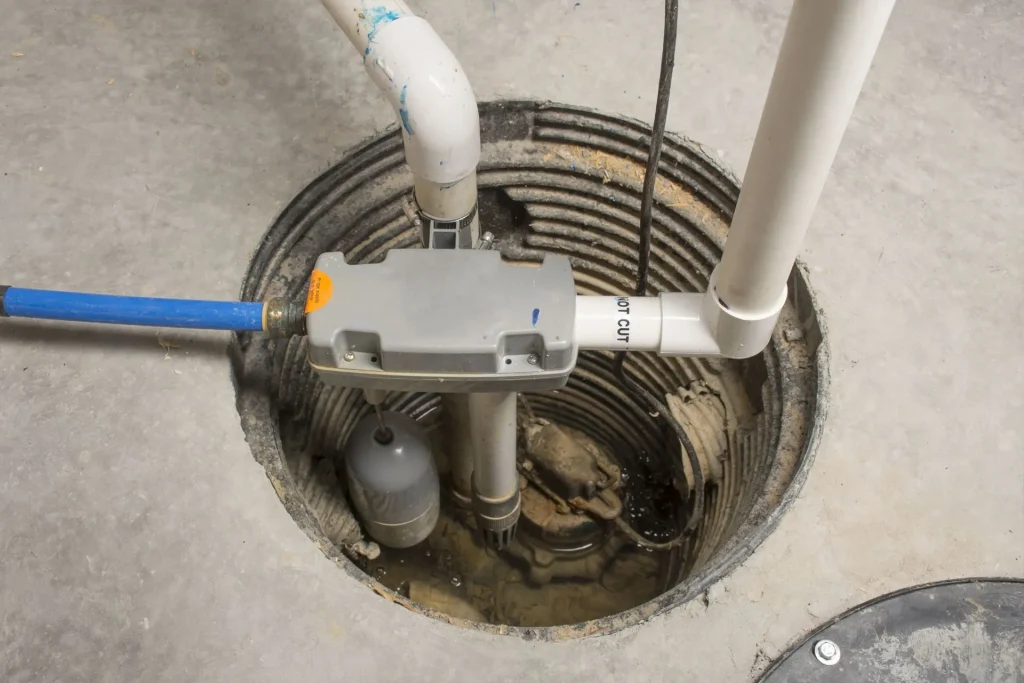
In many basement waterproofing jobs, the sump pump is the heart of the system. The drain can collect water, but if the pump fails, the whole setup loses much of its value. That is why homeowners should not treat pump selection as an afterthought.
A quality sump system should match the likely water load, include a properly sealed basin where appropriate, and discharge water far enough from the foundation that it does not cycle back. In New Jersey, where storms can bring heavy rainfall and occasional power outages at the same time, battery backup is worth serious consideration. It is one of those upgrades that feels optional until the exact night you need it.
I have heard more than one homeowner say they regretted saving a few hundred dollars on backup protection after losing stored items or dealing with a soaked finished basement during an outage. A sump setup is part plumbing, part insurance.
Crack repair is not always the whole answer
Foundation cracks get attention because they are visible, but they can be misleading. Some shrinkage cracks are narrow and mostly stable. Others leak only during wind-driven storms or when the ground is heavily saturated. Some can be injected from the interior with epoxy or polyurethane, which is often effective for the crack itself. But if the larger drainage problem remains, water may simply find another path.
This is a common source of frustration. A homeowner pays for a crack repair, sees improvement, then notices moisture six feet away months later. That does not necessarily mean the crack repair failed. It may mean the basement has a broader water management issue.
This is where experience matters. Good contractors know when a crack is the main event and when it is just one symptom in a bigger pattern.
Mold, air quality, and the hidden cost of waiting
Many people think of waterproofing as a structural or cleanup expense. It is also an indoor air quality issue. Even a basement with no standing water can contribute moisture and musty air to the rest of the house. Air rises through a home, and basement conditions do not stay politely in the basement.
That matters for families with asthma, allergies, or general sensitivity to damp spaces. It also matters if you use the basement for laundry, exercise, storage, or work. Long-term dampness can damage framing, paper-faced drywall, carpet, and stored belongings. Metal rusts. Wood swells. Paint fails. The cleanup cost can quietly exceed the original waterproofing cost if the problem drags on for years.
Some owners delay action because the basement is unfinished and they think the stakes are low. In practice, unfinished basements often become the catch-all storage zone for tools, records, seasonal decorations, spare furniture, and family keepsakes. Moisture does not care whether a space is glamorous.
What busy homeowners should do before calling a contractor
You do not need to become a waterproofing expert before making calls, but ten minutes of observation can make those calls much more productive. Gather a few facts. When does the problem appear, after heavy rain, after prolonged rain, during snowmelt, or all the time? Is the moisture along one wall, near a window, at the floor joint, or around a pipe penetration? Does the basement have a sump already? Have gutters overflowed recently?
A quick photo log helps. So does noting whether the issue is active water, dampness, staining, odor, or humidity. Contractors give better recommendations when they can connect your observations with what they see onsite.
Use this short checklist before the appointment:
- Photograph any wet areas, stains, or white residue.
- Note when the problem appears and how long it lasts.
- Check where downspouts discharge outside.
- Move stored items away from suspect walls if possible.
- Write down any past repairs or flooding history.
That small bit of prep can save you from vague estimates and repeated follow-up visits.
How to compare Basement Waterproofing NJ estimates without getting lost
Waterproofing proposals can vary widely in scope and price, sometimes for good reasons, sometimes not. The challenge is separating actual differences in diagnosis from differences in sales style.
Focus first on scope. What exactly is being installed or repaired? If one estimate includes a full interior perimeter drain, sump pump, discharge line, and wall vapor barrier, while another includes only spot treatment and a small pump, the price gap may be justified. If two proposals claim to solve the same issue but one is much higher, ask what technical reason explains the difference.
Then look at disruption and restoration. Will concrete be opened along the basement perimeter? Who handles cleanup? Will finished walls or flooring need removal? Is exterior landscaping affected? Busy homeowners often underestimate the practical impact of access, dust, noise, and post-work restoration.
Warranty language deserves careful reading. A “lifetime” warranty can sound reassuring, but ask what it actually covers, whether it is transferable, and what conditions could limit a claim. Also ask whether the company services its own systems and how quickly they respond during heavy rain events when call volume spikes.
The best estimate is not always the cheapest or the most expensive. It is the one that correctly identifies the water source and offers a proportionate solution.
Questions worth asking during the consultation
A good consultation should leave you better informed, not pressured. If the conversation feels rushed or overly scripted, slow it down with specific questions.
Here are five that usually reveal a lot:
- Where do you believe the water is entering, and why?
- Why is your recommended method a better fit than the alternatives?
- What maintenance will the system need over time?
- What happens if the power goes out during a storm?
- What parts of the basement or exterior will be disturbed during the work?
These questions move the discussion from sales claims to practical realities.
Timing, disruption, and what the workday usually looks like
One concern busy homeowners often have is whether they need to take several days off work. The answer depends on the scope. Minor crack injections or drainage corrections may be relatively contained. A full interior drainage system can often be completed in a couple of days, though every basement is different. Exterior excavation can take longer and depends heavily on access, weather, and what is in the way, such as decks, walkways, patios, or mature landscaping.
Expect noise if concrete is being opened. Expect dust, even with good containment. Expect some staging of tools and materials. If the basement is finished, expect honest discussion about what needs removal and what can stay. If a company promises a major waterproofing installation with virtually no mess, ask them to explain exactly how they manage demolition and debris.
For families with tight schedules, the best contractors are usually the ones who communicate clearly about sequencing. They tell you when they are arriving, what will happen on day one, whether utility access is needed, and when you can begin returning stored items to the area.
Costs, value, and the temptation to choose the patch
It is hard to discuss waterproofing without discussing cost, but exact numbers vary too much by house, access, and solution to pretend otherwise. A simple correction outside may be modest. A full system with pump upgrades and restoration can be a much larger investment. The important point is that the least expensive fix is only the best value if it actually addresses the cause.
Patch repairs appeal to homeowners because they feel efficient. Sometimes they are. A single leaking crack in an otherwise dry basement may not need a perimeter system. But if the basement shows multiple signs of hydrostatic pressure, repeated dampness, or broad seepage along the floor edge, isolated patching often turns into a cycle of paying for the next weak point.
That cycle is exhausting. It costs money, but it also costs attention, which is often the scarcer resource for busy households. The right permanent fix can be more economical than two or three years of repeated small fixes.
If you plan to finish the basement, waterproof first
This is one of the clearest pieces of advice I can give. If there is any known moisture issue, solve it before finishing the basement. Not during. Not after the flooring goes in. Before.
Finished basements hide problems until they become expensive. Moisture behind drywall, under luxury vinyl plank, or beneath carpet pad can persist for months before becoming obvious. By that point, the repair bill may include demolition, mold remediation, and replacement of materials that were never cheap to begin with.
If you are planning a home office, gym, guest room, or playroom downstairs, waterproofing should be treated as foundational infrastructure, not an optional upgrade. The same logic applies if you are buying a home with the intention of renovating the basement soon. Get a proper moisture assessment early.
The long view: maintenance after the work is done
Waterproofing is not a one-and-done topic in the sense that you can forget your basement forever. Even a well-executed system benefits from basic maintenance and observation. Gutters still need cleaning. Downspouts still need proper discharge. Sump pumps should be tested. Battery backups should be monitored. Exterior grading can change over time. Window wells collect debris. Homeowners who stay mildly attentive tend to avoid major surprises.
The upside is that once the underlying problem is corrected, routine oversight is usually simple. You are not constantly reacting. You are just protecting the investment and keeping the system ready to perform when the next heavy rain arrives.
For New Jersey homeowners, that peace of mind has real value. Storm patterns are not always predictable, and basement issues rarely respect your calendar. A well-chosen Basement Waterproofing NJ service lets you stop treating every forecast like a threat. It turns the basement from a recurring worry into usable, stable space, whether that space holds water heaters, family storage, or a finished room your household relies on every day.
When you approach the process with a clear diagnosis, a realistic view of options, and a contractor who can explain the why behind the work, waterproofing becomes much less mysterious. It is not about buying the biggest system or the most dramatic promise. It is about controlling water in a way that fits your house, your schedule, and the way you actually live.
ARD Waterproofing
Address: 98 Smull Ave, West Caldwell, NJ 07006
Phone number: +12016465936
FAQ About Basement Waterproofing NJ
What is the best waterproofing method for a basement?
The best overall approach to waterproofing a basement is a combined exterior and interior system that stops water at the foundation wall and safely manages any moisture that gets through.
What is the average cost to waterproof a basement?
The average cost to waterproof a basement ranges from $2,500 to $15,000, with most homeowners paying around $5,200 for a complete project.
Can a basement be waterproofed from the inside?
Yes, a basement can be waterproofed from the inside, and it is often the most affordable and least disruptive method.